In fact, many properties built or renovated before the year 2000 may contain asbestos-containing materials. The key is understanding where it may be present, what risks it may pose and how a survey can help you make an informed decision.
What Is Asbestos?
Asbestos is a naturally occurring material that was widely used in construction throughout the 20th century due to its strength, durability and fire-resistant properties.
It was incorporated into a wide range of building materials, including:
- Roofing products
- Insulation materials
- Ceiling tiles
- Floor tiles
- Textured wall and ceiling coatings
- Cement sheets
- Pipe lagging
- Garage and shed roofs
Although asbestos was once considered a useful building material, its use was eventually restricted and then banned in the UK because of the health risks associated with inhaling asbestos fibres.
Why Can Asbestos Be a Concern?
Asbestos is generally considered to pose the greatest risk when fibres become airborne and are inhaled.
This can happen if asbestos-containing materials are disturbed, damaged, drilled, cut or removed without appropriate precautions.
Importantly, asbestos that remains in good condition and is left undisturbed may not present an immediate risk. This is why the presence of asbestos does not automatically mean a property is unsafe or unsuitable to purchase.
The level of risk often depends on:
- The type of asbestos-containing material
- Its condition
- Its location within the property
- The likelihood of it being disturbed
Understanding these factors is essential before making decisions about repairs, renovation work or property purchases.
Where Might Asbestos Be Found?
Asbestos can be present in a variety of locations, particularly in homes built or altered before 2000.
Some common examples include:
Roofing Materials
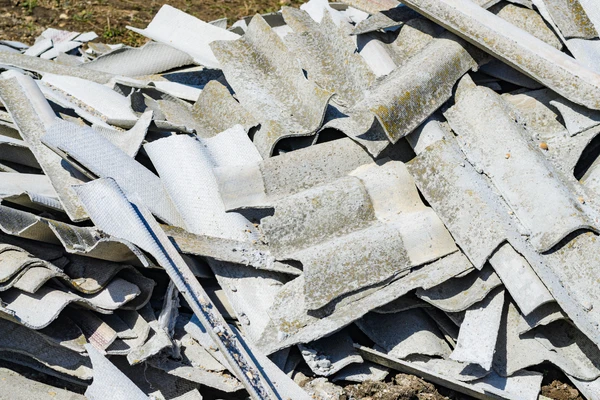
Asbestos cement was commonly used in garages, outbuildings and some roofing products due to its durability and weather resistance.
Textured Coatings
Certain decorative wall and ceiling finishes applied before asbestos restrictions may contain small amounts of asbestos.
Insulation Materials
Older insulation products, pipe lagging and boiler insulation may contain asbestos and can present a higher level of risk if damaged.
Floor Tiles and Adhesives
Some vinyl floor tiles and associated adhesives historically contained asbestos.
Soffits, Fascias and External Panels
Asbestos cement products were frequently used externally because of their durability and resistance to weathering.
What Does a Surveyor Look For?
One of the most common misconceptions is that a standard property survey will confirm whether asbestos is present.
In reality, surveyors do not typically carry out intrusive investigations or laboratory testing as part of a residential property survey.
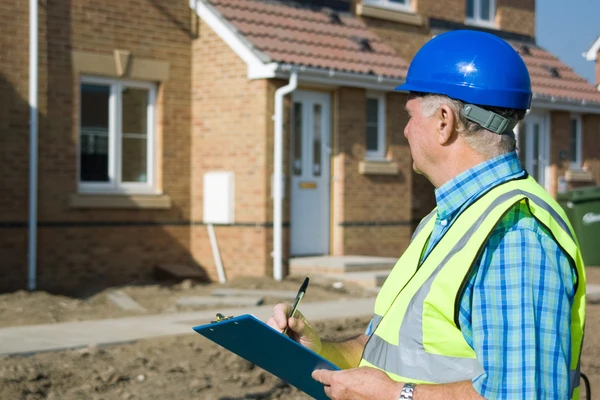
Instead, a surveyor will look for visible materials and property features that may indicate the potential presence of asbestos-containing materials.
Where there is reasonable suspicion that asbestos may be present, the survey report may highlight this and recommend further investigation by a suitably qualified specialist.
This is an important distinction. A survey helps identify potential risks and areas of concern, but specialist testing is usually required to confirm the presence and type of asbestos.
Does Finding Asbestos Affect a Property Transaction?
Not necessarily.
Many properties containing asbestos continue to be bought, sold and occupied without issue.
The discovery of suspected asbestos may prompt buyers to seek further information or obtain specialist advice, particularly if renovation work is planned. However, in many cases, the material may simply need to be managed appropriately rather than removed immediately.
The key benefit of a survey is that it helps buyers understand potential risks before committing to a purchase.
Armed with the right information, buyers can make informed decisions and, where necessary, budget for further investigations or future works.
What If You're Planning Renovations?
Asbestos becomes particularly relevant if you intend to alter, extend or renovate a property.
Works such as removing ceilings, replacing floors, upgrading heating systems or carrying out structural alterations can potentially disturb asbestos-containing materials if they are present.
For this reason, specialist asbestos surveys or inspections may be recommended before significant renovation projects begin.
Understanding any potential risks early can help avoid unexpected costs, delays and safety concerns later.
Why Early Advice Matters
Property purchases involve many decisions, and unexpected findings can naturally create uncertainty.
However, asbestos should be viewed as one of many factors that may require further consideration rather than an automatic reason to abandon a purchase.
A professional survey provides valuable context by identifying visible indicators, highlighting potential concerns and recommending additional investigations where appropriate.
This allows buyers to make informed choices based on evidence rather than assumptions.
Conclusion
Asbestos is a common feature in many older properties, but its presence does not automatically make a property unsafe or unsuitable to buy.
The most important step is understanding whether asbestos-containing materials may be present, what condition they are in and whether specialist advice is required.
A property survey can help identify visible indicators and highlight areas where further investigation may be beneficial, giving buyers greater clarity before they proceed.
Planning to buy a property? Speak to MAP Chartered Surveyors about the right survey for your needs.