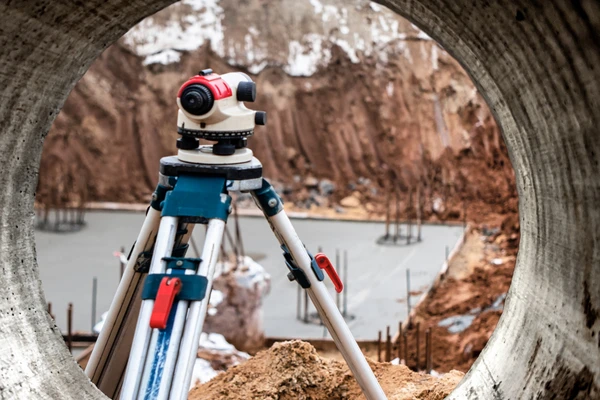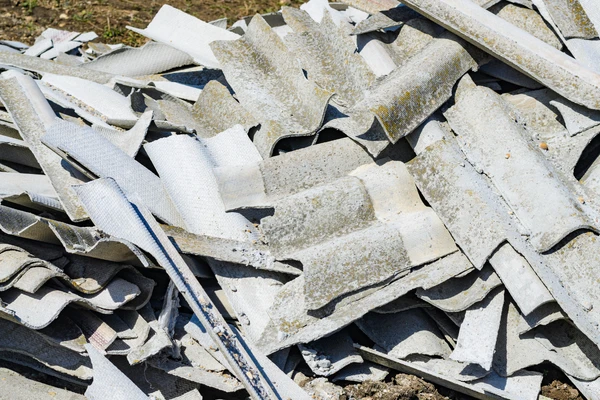
While new-build properties can offer many advantages, they are not immune from defects, workmanship issues or construction-related problems. A survey can provide valuable peace of mind by helping buyers understand the property's condition before they commit.
So, do you still need a survey on a new-build property? In many cases, the answer is yes.
Why Buyers Often Skip Surveys on New Builds
Many buyers associate surveys with older properties.
It is easy to see why. Older homes may have decades of wear and tear, historic alterations and maintenance issues that naturally make buyers more cautious.
By comparison, a newly built property can appear risk-free.
Some buyers also assume that because a mortgage lender is happy to lend against the property, a survey is unnecessary. However, a lender's valuation is not the same as a property survey.
A valuation is carried out for the lender's benefit and focuses on the property's value as security for the loan. It is not a detailed assessment of the property's condition.
A survey provides a different perspective, helping buyers understand any visible defects, risks or areas that may require attention.
Can New-Build Homes Have Defects?
Yes.
Like any construction project, new-build homes are built by people, and mistakes can happen.
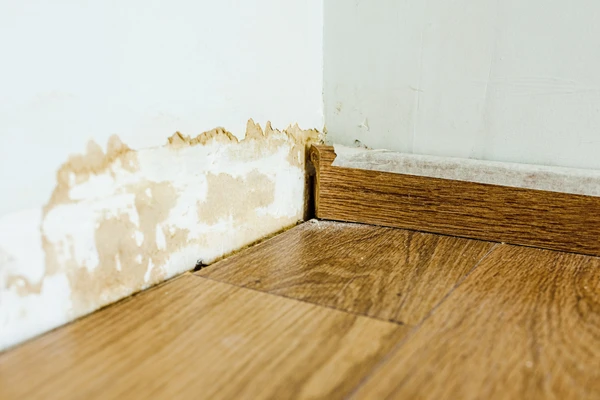
The vast majority of new homes are completed to a high standard, but defects can still occur. Some may be minor cosmetic issues, while others could require further investigation or remedial works.
Examples of issues occasionally identified in newer properties include:
- Poor finishing or workmanship
- Incomplete building works
- Drainage concerns
- Roofing defects
- Insufficient ventilation
- Insulation issues
- Cracking associated with settlement
- Defects to windows or doors
Many of these issues may be straightforward to resolve, but identifying them early can help buyers address concerns before moving in.
What Does a Surveyor Look For?
A surveyor will carry out a visual inspection of accessible areas of the property and assess its overall condition.
While the exact scope depends on the type of survey commissioned, the surveyor may consider factors such as:
External Elements
- Roof coverings
- Gutters and downpipes
- Brickwork and external finishes
- Drainage arrangements
- Paths and external areas
Internal Elements
- Walls and ceilings
- Doors and windows
- Floors and finishes
- Signs of moisture ingress
- Ventilation arrangements
Surveyors also assess whether there are any visible defects that may warrant further investigation by a specialist.
Importantly, a survey is not a snagging inspection and does not involve opening up the structure of the building. However, it can help identify visible issues and provide an independent assessment of the property's condition.
What About Snagging?
Many buyers of new-build homes choose to commission a snagging inspection.
A snagging inspection focuses on identifying defects, incomplete works and quality issues that the developer may need to rectify.
Examples may include:
- Cosmetic defects
- Poor finishing
- Faulty fittings
- Minor installation issues
- Incomplete works
A snagging inspection can be particularly useful before or shortly after completion.
While a property survey and a snagging inspection serve different purposes, both can provide valuable information and help buyers better understand the condition of their new home.
Do Warranties Remove the Need for a Survey?
New-build homes often benefit from structural warranties or similar protections.
These warranties can provide reassurance if significant defects arise after completion. However, a warranty is not a substitute for understanding the property's condition before purchase.
Even where warranty protection exists, identifying concerns early may help avoid inconvenience, delays and future disputes.
A survey provides an independent assessment that complements the protections already in place.
The Value of Independent Advice
One of the key benefits of a survey is independence.
Developers, lenders and other parties may all have different roles within the transaction. A surveyor acts on behalf of the buyer, providing professional advice about the property's visible condition.
This can help buyers make informed decisions and proceed with greater confidence.
For many people, purchasing a home is one of the largest investments they will ever make. Having access to independent professional advice can be a valuable part of that process.
Should Every New-Build Buyer Get a Survey?
Every buyer's circumstances are different.
Some purchasers may feel comfortable relying on warranties and developer assurances, while others may prefer the additional reassurance that a survey can provide.
What is important is understanding that "new" does not necessarily mean "perfect".
A survey can help identify visible defects, highlight areas for further investigation and provide clarity at a key stage of the buying journey.
Conclusion
New-build properties offer many benefits, but they are not automatically free from defects or maintenance concerns.
A survey can provide valuable insight into the condition of the property, helping buyers identify visible issues and make informed decisions before they commit.
Whether you are purchasing your first home or your next investment, independent professional advice can provide reassurance and confidence throughout the buying process.
Planning to buy a property? Speak to MAP Chartered Surveyors about the right survey for your needs.