Many buyers are surprised to see a list of defects and recommendations, but it's important to remember that most properties have issues of some kind. A survey is not designed to find reasons not to buy a property. Its purpose is to identify visible defects, highlight potential risks and help you make an informed decision.
Here are ten of the most common issues found during home surveys and what they could mean for buyers.
1. Damp
Damp is one of the most frequently reported issues in residential properties. Surveyors may identify staining, mould growth or moisture-related damage.
Not all damp has the same cause. Condensation, leaks and defective external maintenance can all contribute. Understanding the source is usually more important than the presence of damp itself.
2. Roof Defects
The roof is one of the most important parts of any property, yet it can be difficult to inspect during a viewing.
Surveyors often report missing tiles, worn materials, damaged flashings or evidence of previous repairs. While not every defect requires urgent action, roof repairs can be costly and should be understood before proceeding.
3. Cracking and Structural Movement
Cracks can naturally raise concerns, but they do not always indicate serious structural problems.
Many properties experience minor movement over time due to settlement or seasonal changes. Surveyors assess the size, location and pattern of cracking to determine whether further investigation may be advisable.
4. Drainage Concerns
Drainage problems are not always obvious to buyers.
Signs such as standing water, poor surface drainage or damaged inspection covers may suggest issues that require further attention. Where concerns are identified, a specialist drainage inspection may be recommended.
5. Timber Defects
Timber can deteriorate if exposed to moisture over long periods.
Surveyors may identify signs of decay or damage in roof timbers, floors, skirting boards or window frames. In some cases, further specialist advice may be recommended to assess the extent of any deterioration.
6. Insulation and Ventilation Issues
Many older properties were built to very different energy-efficiency standards than those expected today.
Surveyors may note limited insulation, inadequate ventilation or signs of condensation risk. These issues are often relatively straightforward to improve and can help increase comfort and reduce energy costs.
7. Electrical Concerns
A standard property survey does not include detailed testing of electrical systems.
However, surveyors may identify visible signs that an installation appears dated or may require further assessment. Where concerns exist, buyers are often advised to obtain an electrical inspection from a qualified specialist.
8. Heating System Issues
Heating systems can be expensive to repair or replace, making them an important consideration for buyers.
Surveyors may comment on the apparent age and visible condition of boilers, radiators and associated equipment. If concerns are noted, further inspection by a qualified heating engineer may be recommended.
9. Windows and Doors
Windows and doors are constantly exposed to the elements and naturally wear over time.
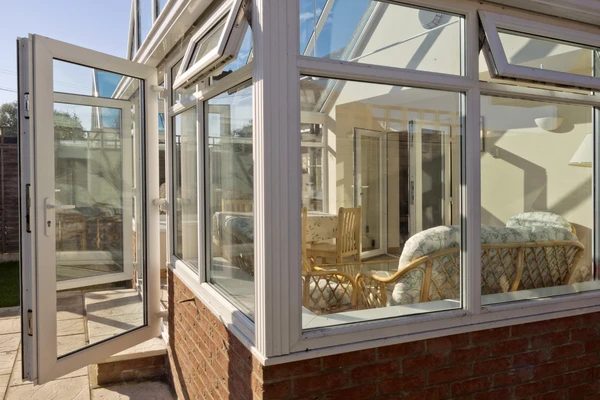
Common findings include failed double glazing, damaged seals, operational defects and deteriorating timber frames. While these issues are often manageable, they can affect energy efficiency and future maintenance costs.
10. Alterations and Extensions
Many homes have been altered during their lifetime.
Surveyors may identify extensions, loft conversions, conservatories or structural changes that warrant further checks. Buyers may need to confirm through their solicitor whether the appropriate approvals, permissions or certifications are available.
What Should Buyers Do If Issues Are Found?
Finding defects in a survey report does not necessarily mean you should reconsider your purchase.
Most properties, particularly older homes, will have maintenance requirements and areas that need attention. The key is understanding the significance of the findings, whether further investigations are required and what future costs may be involved.
A survey provides valuable information that helps buyers make informed decisions and avoid unexpected surprises after completion.
Conclusion
No property is perfect, and survey reports will often identify a range of issues that require attention now or in the future.
Rather than viewing findings as reasons not to proceed, buyers should see them as useful information about the property's condition. Understanding potential risks and maintenance requirements allows you to move forward with greater confidence.
Planning to buy a property? Speak to MAP Chartered Surveyors about the right survey for your needs.