
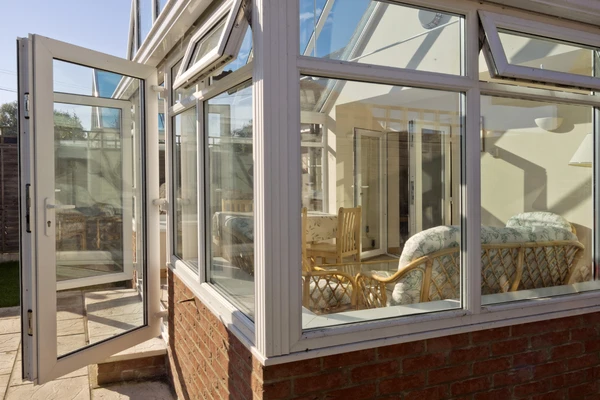
While a conservatory may look impressive during a viewing, there can be underlying issues that are not immediately obvious to a buyer. Like any part of a property, conservatories can develop defects over time, and understanding their condition before you commit to a purchase is important.
A property survey can help identify visible concerns and provide a clearer picture of any risks or maintenance requirements that may need to be considered.
Why Conservatories Can Present Challenges
Unlike the main structure of a house, conservatories are often built as extensions and may have been added years after the original property was constructed.
Construction standards, materials and installation quality can vary significantly depending on when the conservatory was built and who carried out the work.
While many conservatories perform well for decades, others can suffer from structural movement, leaks, poor insulation or maintenance issues that may not be immediately apparent during a short viewing.
Understanding the condition of the conservatory is therefore just as important as understanding the condition of the main property.
Structural Movement and Settlement
One of the issues surveyors may assess is whether there are signs of movement affecting the conservatory.
Because conservatories are often built on different foundations to the main house, movement can sometimes occur where the two structures meet. Differential settlement can lead to cracking, separation or distortion over time.
Surveyors will look for signs such as:
- Cracks in walls or brickwork
- Gaps between the conservatory and the main property
- Distorted frames
- Doors or windows that do not operate properly
- Uneven floors
Not every crack indicates a serious structural issue, but visible movement should be assessed carefully to understand whether further investigation may be required.
Roof Defects and Water Ingress
The roof is one of the most common areas where problems develop.
Conservatory roofs are exposed to the elements throughout the year and can be particularly vulnerable to wear and tear as they age.
Surveyors may look for:
- Damaged or slipped roof panels
- Failed seals around glazing
- Evidence of leaks
- Water staining
- Condensation trapped within glazed units
- Blocked or defective drainage channels
Water ingress can lead to deterioration of surrounding materials and may increase the risk of damp-related problems if left unresolved.
Damp and Condensation Issues
Conservatories can experience significant temperature fluctuations throughout the year. During colder months, condensation can become a particular concern if ventilation is inadequate.
A surveyor will assess whether there are signs of:
- Damp staining
- Mould growth
- Excess condensation
- Deteriorating seals
- Moisture damage to surrounding finishes
It is important to understand that not all moisture-related issues are caused by the same problem. Condensation, leaks and penetrating damp can all produce similar symptoms but may require different solutions.
Identifying the likely cause is an important part of understanding the overall condition of the conservatory.
Glazing and Thermal Performance
Many older conservatories were constructed before modern energy efficiency standards became common.
As a result, some may be difficult to keep warm during winter and uncomfortably hot during summer.
Surveyors will often comment on the general condition of glazing, frames and visible insulation measures where relevant.
Potential concerns may include:
- Failed double-glazed units
- Damaged seals
- Ageing frames
- Poor thermal performance
- Excessive heat loss
While these issues may not affect a buyer's decision to proceed, they could influence future maintenance costs or upgrade plans.
Building Regulations and Permissions
Another important consideration is whether the conservatory was constructed in compliance with relevant requirements at the time it was built.
Surveyors may identify alterations or extensions that warrant further investigation through the legal process.
While a survey cannot confirm whether all approvals or documentation are in place, it may highlight areas where buyers should ask additional questions through their solicitor.
Ensuring appropriate documentation exists can help avoid complications later in the transaction.
What Can a Survey Actually Tell You?
It is important to understand the role of a property survey.
A survey provides a professional assessment of the visible condition of the conservatory and highlights any defects or concerns observed during the inspection.
However, surveys are generally non-invasive. Surveyors do not dismantle structures, remove finishes or expose concealed areas. If significant concerns are identified, further specialist investigations may be recommended.
The value of a survey lies in helping buyers understand potential risks before committing to the purchase.
Why Conservatory Issues Matter During a Purchase
A conservatory defect does not necessarily mean you should walk away from a property.
However, understanding any issues before exchange of contracts gives you the opportunity to make informed decisions. It may influence future maintenance budgets, renovation plans or discussions with the seller.
The earlier concerns are identified, the easier it is to assess their significance and determine the most appropriate next steps.
Conclusion
A conservatory can be a valuable addition to a home, providing extra living space and enhancing everyday enjoyment of the property. However, buyers should take the time to understand its condition before proceeding.
A professional survey can help identify visible defects, explain potential risks and highlight areas where further investigation may be beneficial. With the right information, buyers can move forward with greater confidence and avoid unexpected surprises after completion.
Planning to buy a property? Speak to MAP Chartered Surveyors about the right survey for your needs.