
Many buyers are unsure about the differences between survey types and whether a mortgage valuation provides enough protection. Understanding your options can help you make an informed decision and gain a clearer picture of the property's condition before you commit.
Why Is a Property Survey Important?
A property may look well maintained during a viewing, but some defects are not immediately obvious. Issues such as damp, roof deterioration, structural movement or poor maintenance can be easy to miss without professional expertise.
A survey provides an independent assessment of the property's condition and helps identify visible defects, potential risks and areas that may require further investigation. While no survey can uncover every issue, it can provide valuable information that helps buyers understand what they are purchasing.
In some cases, survey findings may also support discussions with the seller if significant defects are identified before contracts are exchanged.
Is a Valuation the Same as a Survey?
This is one of the most common misunderstandings among homebuyers.
A mortgage valuation is carried out for the lender, not the buyer. Its purpose is to confirm that the property offers suitable security for the mortgage loan.
It does not provide a detailed assessment of the property's condition and should not be relied upon to identify defects or maintenance issues.
If you want to understand the condition of the property you are buying, you should arrange a survey alongside any valuation required by your lender.
Understanding the Different Survey Types
The most appropriate survey depends on the age, condition and type of property you are purchasing.
Level 1 Survey
A Level 1 Survey provides a basic overview of the property's condition.
It is generally most suitable for newer homes that appear to be in good condition and have been built using conventional materials and construction methods.
The report highlights significant visible issues but provides limited detail compared with higher-level surveys.
Level 2 Survey
A Level 2 Survey is often the most popular choice for buyers.
It is suitable for many conventional houses, flats and bungalows and provides a more detailed assessment of the property's condition.
The report identifies defects that may require repair or maintenance and explains findings in clear, straightforward language. For many buyers, it offers a practical balance between detail and cost.
Level 3 Survey
A Level 3 Survey is the most comprehensive option.
It is typically recommended for older properties, listed buildings, larger homes, unusual construction types or properties that have been significantly altered.
The report provides more detailed commentary on defects, maintenance requirements and potential repair implications, helping buyers gain a deeper understanding of the building's condition.
What Does a Surveyor Look For?
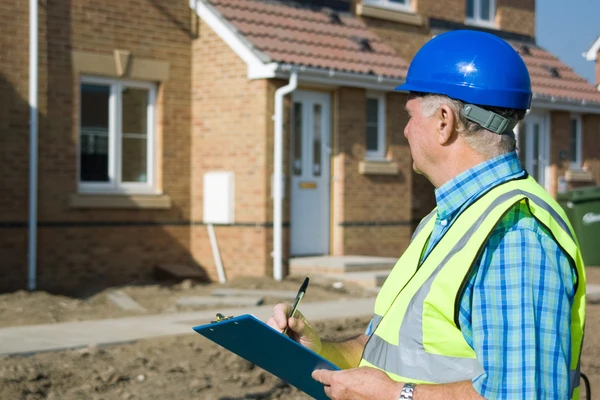
During a survey, a surveyor carries out a visual inspection of accessible parts of the property.
Areas commonly assessed include:
- Roof coverings and chimneys
- External walls and brickwork
- Windows and doors
- Signs of damp or moisture ingress
- Structural cracking or movement
- Timber condition
- Ventilation and insulation
- Visible drainage concerns
- General repair and maintenance issues
The surveyor will also highlight areas where further investigation by a specialist may be advisable.
It is important to remember that surveys are non-invasive inspections. Surveyors do not open up walls, lift floor coverings or test every service within the property.
How Do You Choose the Right Survey?
When deciding which survey is appropriate, consider:
- The age of the property
- Its construction type
- Its apparent condition
- Any alterations or extensions
- Your future renovation plans
A newer property in good condition may only require a lower-level survey, whereas an older or more complex building may justify a more detailed inspection.
If you are unsure, seeking advice before instructing a survey can help ensure you choose the right option for your purchase.
Conclusion
A survey is one of the most valuable tools available to homebuyers. It provides independent insight into a property's condition and helps identify issues that may not be obvious during a viewing.
Understanding the differences between survey types can help you choose the most suitable option and proceed with greater confidence. The right survey will not eliminate every risk, but it can help you make a more informed decision about one of life's biggest investments.
Planning to buy a property? Speak to MAP Chartered Surveyors about the right survey for your needs.