Buyers want reassurance that they understand what they are purchasing, sellers want a smooth process and estate agents work hard to keep transactions progressing towards completion. However, when key information about a property's condition comes to light late in the process, confidence can quickly be undermined.
This is one reason why property surveys remain such an important part of the home-buying journey.
While recommending a survey may sometimes be viewed as an additional step in the transaction, the reality is that not discussing surveys can create its own risks. Unexpected defects, last-minute renegotiations and disappointed buyers can all have an impact on the customer experience and, ultimately, the likelihood of a successful completion.
Why Some Buyers Skip Surveys
In a competitive market, some buyers may be tempted to move quickly and minimise costs wherever possible.
Common reasons buyers choose not to commission a survey include:
- Confidence in the property's appearance
- Reliance on a mortgage valuation
- Budget considerations
- Pressure to progress quickly
However, many buyers do not fully understand the difference between a valuation and a survey.
A mortgage valuation is carried out primarily for the lender's benefit and focuses on the property's value as security for the loan. It is not intended to provide a detailed assessment of the property's condition.
A survey serves a different purpose, helping buyers understand visible defects, maintenance issues and areas where further investigation may be advisable.
The Risk of Unexpected Findings
One of the biggest challenges in any transaction is the discovery of unexpected issues.
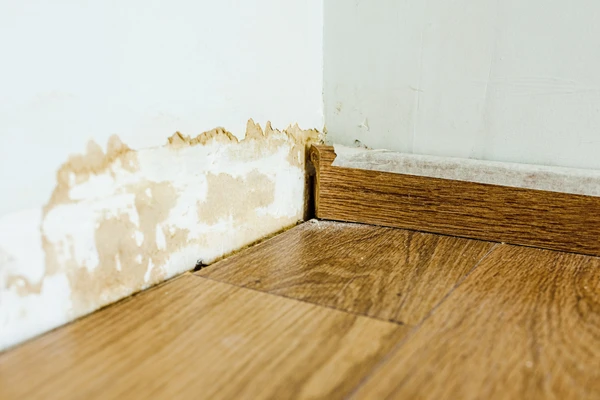
Concerns relating to damp, roofing defects, structural movement, drainage problems or previous alterations can all affect a buyer's perception of a property.
When these issues emerge unexpectedly, buyers may feel uncertain or frustrated. In some cases, they may question whether they have enough information to proceed with confidence.
By encouraging buyers to consider a survey early in the process, agents can help reduce the likelihood of surprises later on.
Managing Expectations From the Start
Property surveys are not designed to prevent purchases. Their purpose is to provide buyers with a clearer understanding of the property they are considering.
Most survey reports identify a mixture of maintenance items, minor defects and recommendations for future attention. This is entirely normal, particularly for older homes.
The value lies in setting realistic expectations.
When buyers understand the property's condition from the outset, they are often better equipped to make informed decisions and plan for future maintenance costs.
Transparency helps create confidence.
Supporting Better Conversations
Property transactions often involve discussions around repairs, maintenance and pricing.
Without professional information, these conversations can sometimes become driven by assumptions or incomplete understanding.
A survey provides an independent assessment that can help all parties discuss concerns more constructively.
Where defects are identified, buyers can better understand their significance. Sellers have a clearer picture of the issues being raised, and agents are better positioned to help facilitate informed conversations.
This can contribute to a smoother transaction process overall.
Reducing the Risk of Late-Stage Renegotiations
When significant concerns are identified late in the transaction, the result is often renegotiation.
These discussions can create delays, increase uncertainty and place additional pressure on everyone involved.
While surveys cannot eliminate every challenge, identifying issues earlier in the process provides more time to assess options, obtain specialist advice and manage expectations.
The earlier information becomes available, the easier it is for buyers and sellers to make informed decisions.
Protecting the Customer Experience
Today's buyers expect transparency and professional guidance throughout their property journey.
Many clients judge an estate agent not only on whether a transaction completes, but on how supported they felt during the process.
Discussing surveys demonstrates a commitment to helping buyers make informed decisions rather than simply progressing a sale.
Even when survey findings reveal issues, buyers often appreciate having access to information that helps them understand the property more fully.
That can strengthen trust and improve the overall customer experience.
Demonstrating Professionalism
Estate agents work with a range of professional partners to support clients throughout a transaction.
Solicitors, mortgage brokers and surveyors all play important roles in helping buyers navigate what is often one of the largest financial decisions of their lives.
By proactively discussing surveys and explaining their value, agents reinforce their position as trusted advisers rather than purely transaction managers.
This approach helps build credibility and demonstrates a commitment to long-term client relationships.
Conclusion
The cost of not recommending a survey is not always immediately visible.
It can appear later in the form of unexpected defects, delayed negotiations, reduced buyer confidence or a poorer customer experience.
Property surveys help buyers understand the condition of a property, identify visible defects and make informed decisions before they commit. For agents, encouraging these conversations early can support transparency, improve trust and contribute to smoother transactions.
Ultimately, helping buyers access the right information at the right time benefits everyone involved.
If your branch would benefit from a reliable surveying partner, speak to MAP Chartered Surveyors about how we can support your clients.