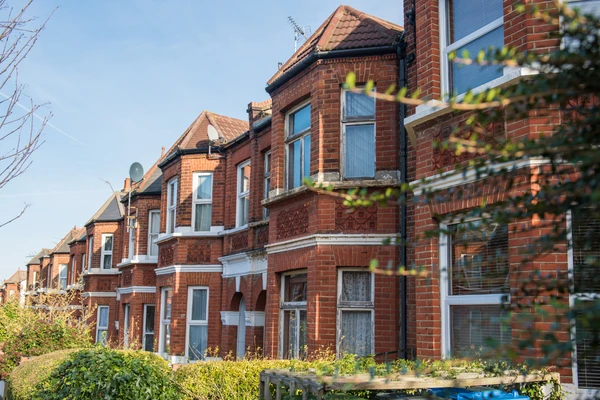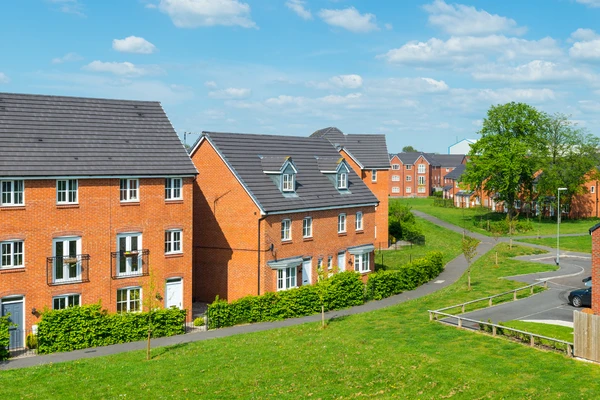

The size of the rooms, the condition of the kitchen, the garden and the overall feel of the home often take centre stage. However, one of the most important parts of any property is also one of the easiest to overlook: the roof.
Because roofs are difficult to inspect from ground level, many buyers have little idea of their condition before making an offer. Yet roof repairs can be among the most expensive maintenance costs a homeowner faces.
This is one reason why a professional survey can be so valuable. A survey helps identify visible signs of roofing defects and gives buyers a clearer understanding of what they are purchasing.
Why Roof Condition Matters
The roof is the property's first line of defence against the weather.
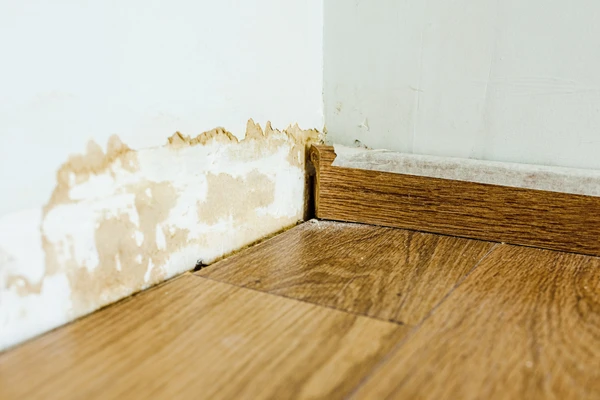
A well-maintained roof helps protect the structure from rain, wind and moisture. If defects develop, water can enter the building and potentially lead to a range of other issues, including damp, timber decay and damage to internal finishes.
Not every roofing defect requires immediate action, but understanding the condition of the roof is an important part of assessing a property's overall maintenance requirements.
What Can Buyers Miss During a Viewing?
Even the most diligent buyer may struggle to identify roofing issues during a standard property viewing.
Many defects are difficult to see from ground level, while others may only become apparent when viewed from a different angle or when inspecting related parts of the property.
As a result, buyers can sometimes underestimate the significance of roof-related maintenance costs until a survey is carried out.
Missing or Damaged Roof Tiles
One of the most common issues identified during surveys is damage to roof coverings.
This may include:
- Missing tiles
- Slipped tiles
- Cracked tiles
- General wear and deterioration
While a single damaged tile may seem minor, defects in roof coverings can allow water to penetrate the structure over time.
Surveyors assess the visible condition of roofing materials and identify areas where repairs or further investigation may be advisable.
Flat Roof Concerns
Flat roofs are common on extensions, garages and some modern properties.
Although many modern flat roofing systems perform well, they typically have a shorter lifespan than traditional pitched roofs and may require more regular maintenance.
Surveyors will look for visible signs of deterioration, ponding water, ageing materials or previous repairs that may indicate future maintenance requirements.
Chimneys and Flashings
Chimneys are another area where defects can occur.
Weather exposure over many years can lead to deteriorating mortar, loose brickwork or problems with flashings. Flashings are the materials used to seal joints where the roof meets structures such as chimneys and walls.
If these areas become defective, water ingress may occur.
Many chimney-related issues are difficult to identify during a viewing but may be highlighted during a survey.
Gutters and Rainwater Goods
A roof does not work in isolation.
Gutters, downpipes and other rainwater goods play an important role in directing water away from the building.
Surveyors frequently identify issues such as:
- Blocked gutters
- Damaged downpipes
- Leaking joints
- Poor drainage arrangements
If left unresolved, these defects can contribute to dampness, staining and damage to external walls.
Fortunately, many rainwater goods issues are relatively straightforward to address when identified early.
What Can the Loft Tell Us?
Where access is available, the loft space can provide valuable clues about the condition of a roof.
Surveyors may look for:
- Signs of water penetration
- Daylight visible through roof coverings
- Condensation issues
- Timber deterioration
- Inadequate ventilation
The loft often reveals evidence of issues that may not be visible externally, helping to build a clearer picture of the roof's condition.
Does a Roof Defect Mean You Should Walk Away?
Not necessarily.
One of the biggest misconceptions among buyers is that any roofing issue should be treated as a major warning sign.
In reality, most properties require ongoing maintenance, and roof repairs are often part of normal homeownership.
The key questions are:
- What is the nature of the defect?
- How urgent are any repairs?
- What are the likely costs?
- Is further investigation required?
A survey helps answer these questions, allowing buyers to make informed decisions based on evidence rather than assumptions.
Why a Survey Matters
Without professional advice, buyers may have little information about one of the most important elements of the property.
A survey helps identify visible defects, highlight potential risks and recommend further investigation where necessary. This can help buyers budget appropriately, avoid unexpected surprises and proceed with greater confidence.
Understanding a roof's condition before exchange is often far preferable to discovering problems after completion.
Conclusion
The roof is one of the most important parts of any property, but it is also one of the easiest areas to overlook during a viewing.
While not every roof defect is serious, repairs can be costly if issues go undetected. A professional survey helps buyers understand the condition of the roof, identify visible defects and make informed decisions before committing to a purchase.
Planning to buy a property? Speak to MAP Chartered Surveyors about the right survey for your needs.