
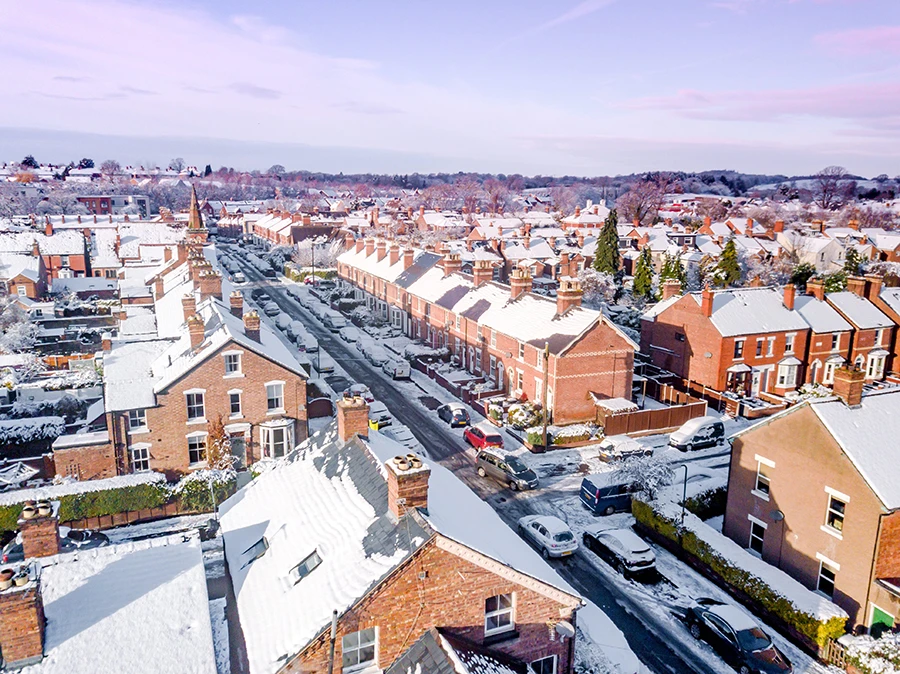
With energy costs remaining a key concern for many households, preparing your home for winter can help you stay warm, reduce heating bills and avoid costly repairs.
A few simple maintenance checks carried out before the coldest weather arrives can make a significant difference to your home's comfort, efficiency and long-term condition.
Check your roof
Winter storms, heavy rain and strong winds can quickly expose weaknesses in a roof. Before the weather deteriorates:
- Inspect your roof for slipped, cracked or missing tiles.
- Check flashing around chimneys, skylights and roof junctions.
- If you have a chimney that is no longer in use, consider fitting a ventilated cowl to keep out rain and birds while maintaining airflow.
Addressing minor issues now can help prevent leaks and water damage later in the season.
Make sure your loft is properly insulated
A poorly insulated loft is one of the biggest causes of heat loss in UK homes.
- Check that loft insulation is in good condition and evenly distributed.
- Ensure pipes and water tanks in the loft are protected from freezing.
- Keep the cold-water tank covered with a properly fitted lid.
- Avoid blocking ventilation, as good airflow helps prevent condensation and damp.
Current government guidance recommends loft insulation depths of around 270mm for optimal energy efficiency.
Clear gutters and drains
Autumn leaves and debris can quickly clog gutters and downpipes.
- Remove leaves, moss and debris from gutters.
- Check that downpipes are draining freely.
- Ensure gulleys and drainage channels are clear.
- Inspect external pipes for signs of wear and add insulation where necessary.
Blocked gutters can cause overflowing water, leading to damp walls, damaged brickwork and costly repairs.
Improve wall insulation
Walls account for a substantial proportion of heat loss in many homes.
Depending on your property's construction, you may benefit from:
- Cavity wall insulation.
- Internal wall insulation.
- External wall insulation.
Before carrying out any insulation work, seek professional advice to ensure it is suitable for your property, particularly if you own an older or period home.
While checking your walls, inspect mortar joints and pointing for signs of deterioration, as frost can worsen existing damage.
Prevent slips and trips outdoors
Icy paths and driveways can become hazardous during cold spells.
- Ensure paving and patios drain properly.
- Repair areas where water tends to pool.
- Keep pathways clear of leaves and moss.
- Store grit or salt ready for icy conditions.
Taking preventative action can help reduce the risk of accidents around your property.
Check decking and air bricks
If you have decking installed near your home:
- Ensure it has not obstructed air bricks.
- Check that drainage channels remain clear.
- Remove accumulated debris from beneath the decking.
Maintaining airflow beneath your property can help prevent damp and timber decay.
Stop heat escaping through windows
Windows are a common source of heat loss and draughts.
- Check seals around window frames for gaps or damage.
- Repair cracked sealant where necessary.
- Consider secondary glazing if replacing windows is not currently an option.
- Use thermal curtains or blinds to improve insulation.
Simple draught-proofing measures can significantly improve comfort during the colder months.
Draught-proof external doors
Even small gaps around doors can allow warm air to escape.
- Fit or replace weather strips and door seals.
- Install a draught excluder if required.
- Check letterboxes and keyholes for unwanted draughts.
These inexpensive improvements can make a noticeable difference to heating efficiency.
Insulate floors and pipework
Cold air entering through floors can affect the comfort of your home.
- Seal gaps between floorboards where appropriate.
- Use rugs on exposed timber floors to add insulation.
- Check that pipework beneath suspended floors is properly insulated.
Protecting pipes is particularly important during freezing weather to reduce the risk of burst pipes.
Prepare your fireplace and chimney
If you use a wood-burning stove or open fire:
- Arrange for the chimney to be professionally swept.
- Check that flues and vents are functioning correctly.
- Consider a chimney balloon for unused fireplaces to help reduce heat loss.
Regular maintenance also improves safety and efficiency.
Service your boiler before winter
Your boiler is likely to work harder during the winter months than at any other time of year.
- Arrange an annual boiler service with a qualified engineer.
- Check system pressure and heating controls.
- Bleed radiators to remove trapped air.
- Insulate external condensate pipes where applicable.
A well-maintained boiler is more efficient, less likely to break down and can help reduce energy consumption.
Don't forget smart energy-saving measures
Modern technology can help you manage energy use more effectively.
Consider:
- Installing a smart thermostat.
- Using programmable heating schedules.
- Monitoring energy consumption through smart meters.
- Upgrading older lighting to energy-efficient LED bulbs.
Small changes can add up to meaningful savings over the winter months.
Winterproofing your home doesn't always require major investment. Many of the most effective measures involve simple maintenance tasks that can help protect your property, improve energy efficiency and reduce the likelihood of unexpected repair bills.
For larger projects such as insulation upgrades, roofing repairs or heating system improvements, always seek advice from qualified and reputable professionals.